CGM During Pregnancy: What You Need to Know

Continuous glucose monitoring during pregnancy provides tighter glucose control with less hypoglycemia compared to fingersticks alone. Here is the evidence and practical guidance. Why Tight Control Matters in Pregnancy Hyperglycemia during pregnancy is associated with increased risk of macrosomia, preterm birth, and neonatal hypoglycemia. Targets during pregnancy are significantly tighter than outside pregnancy: typically 63-140 … Read more

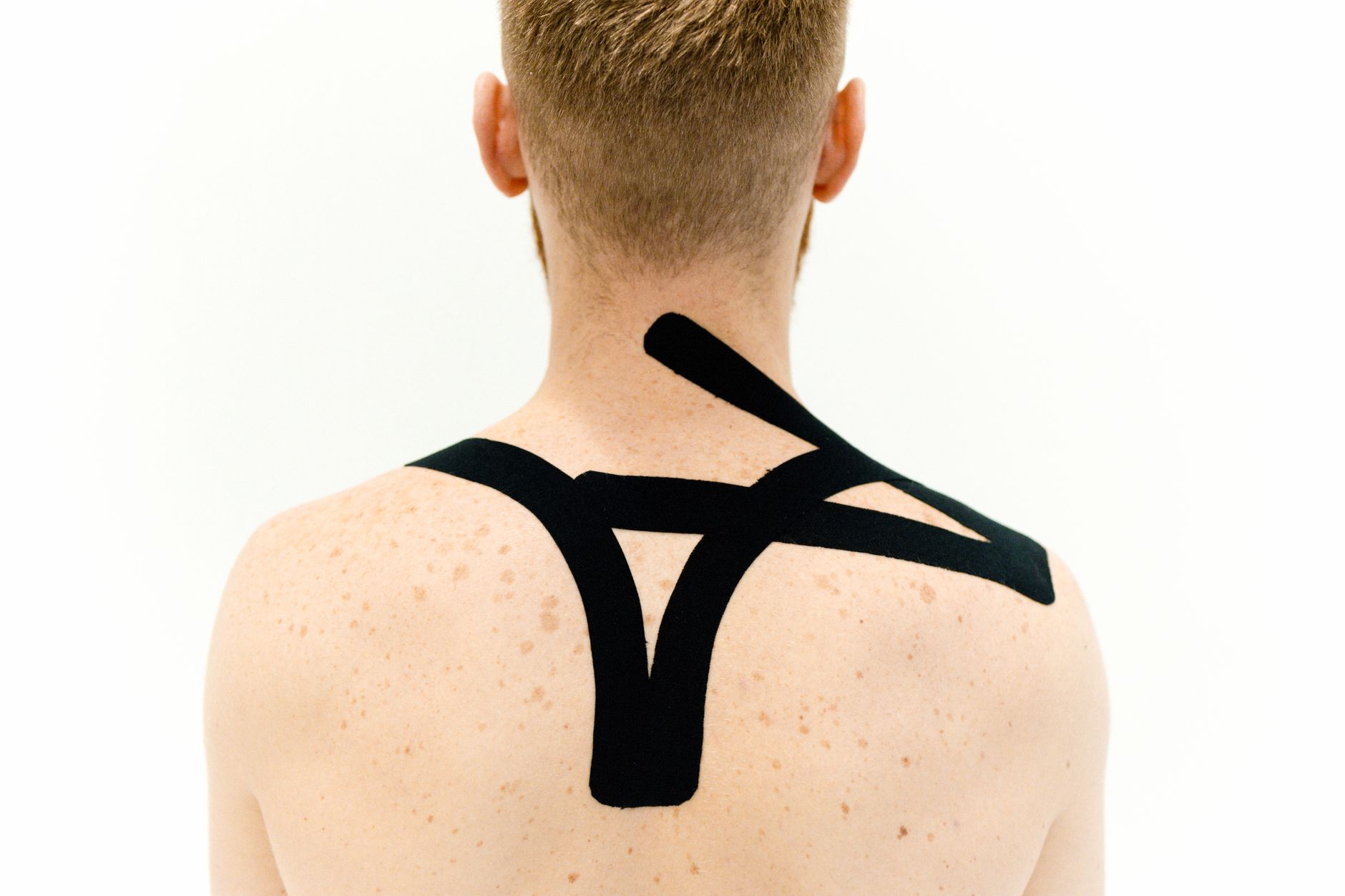
CGM Adhesive Patches: The Best Options to Keep Your Sensor On

Keeping a CGM sensor stuck for 10-14 days is a challenge for many users — especially those who sweat, swim, or have sensitive skin. Here are the most effective adhesive patches and overlays. Why Sensors Lift Prematurely CGM adhesive is designed for average skin in average conditions. Heavy sweat, frequent showering, body hair, skin conditions, … Read more

CGM for Type 2 Diabetes: Who Benefits and What the Evidence Shows

Continuous glucose monitors were originally designed for Type 1 diabetes. In 2026, strong evidence supports their use for Type 2 as well — but the benefit varies significantly by treatment type. Here is what the data shows. Who Benefits Most Type 2 on basal-bolus insulin: Strong evidence. CGM significantly reduces A1C and hypoglycemia risk. Most … Read more

Time in Range (TIR): What It Means and How to Improve Yours

Time in Range (TIR) is the most important metric that continuous glucose monitors have added to diabetes management — more actionable than A1C alone. Here is what it means and how to use it. What Is Time in Range? TIR is the percentage of time your glucose spends within your target range, typically 70-180 mg/dL … Read more

How to Maximize CGM Sensor Life: Tips to Avoid Early Failures

At $10-20 per sensor day, losing a sensor early is frustrating. These evidence-based tips extend adhesion and reduce premature failures across Dexcom and FreeStyle Libre. Site Preparation Is Everything Clean skin at the application site is the single biggest factor in sensor longevity. Use an alcohol wipe and let it dry completely — at least … Read more

Using a CGM for Exercise: Managing Glucose During and After Workouts

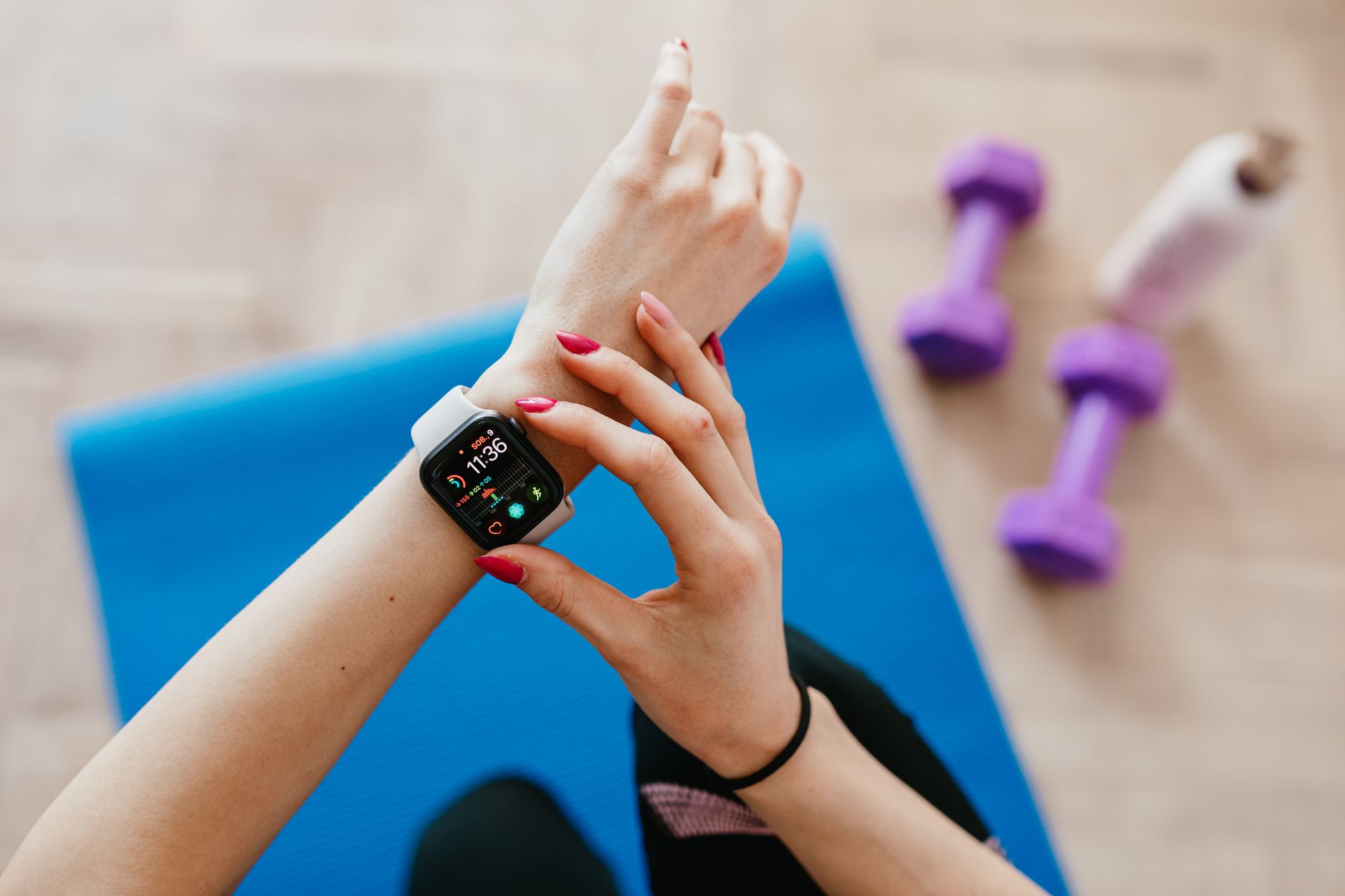
Exercise affects glucose differently depending on the type, intensity, and your insulin timing. A CGM gives you real-time data to navigate workouts safely — but knowing how to interpret that data is the key. Why Exercise Complicates CGM Readings Physical activity affects CGM accuracy in two ways: sensor placement (arm movement, pressure on adhesive) can … Read more