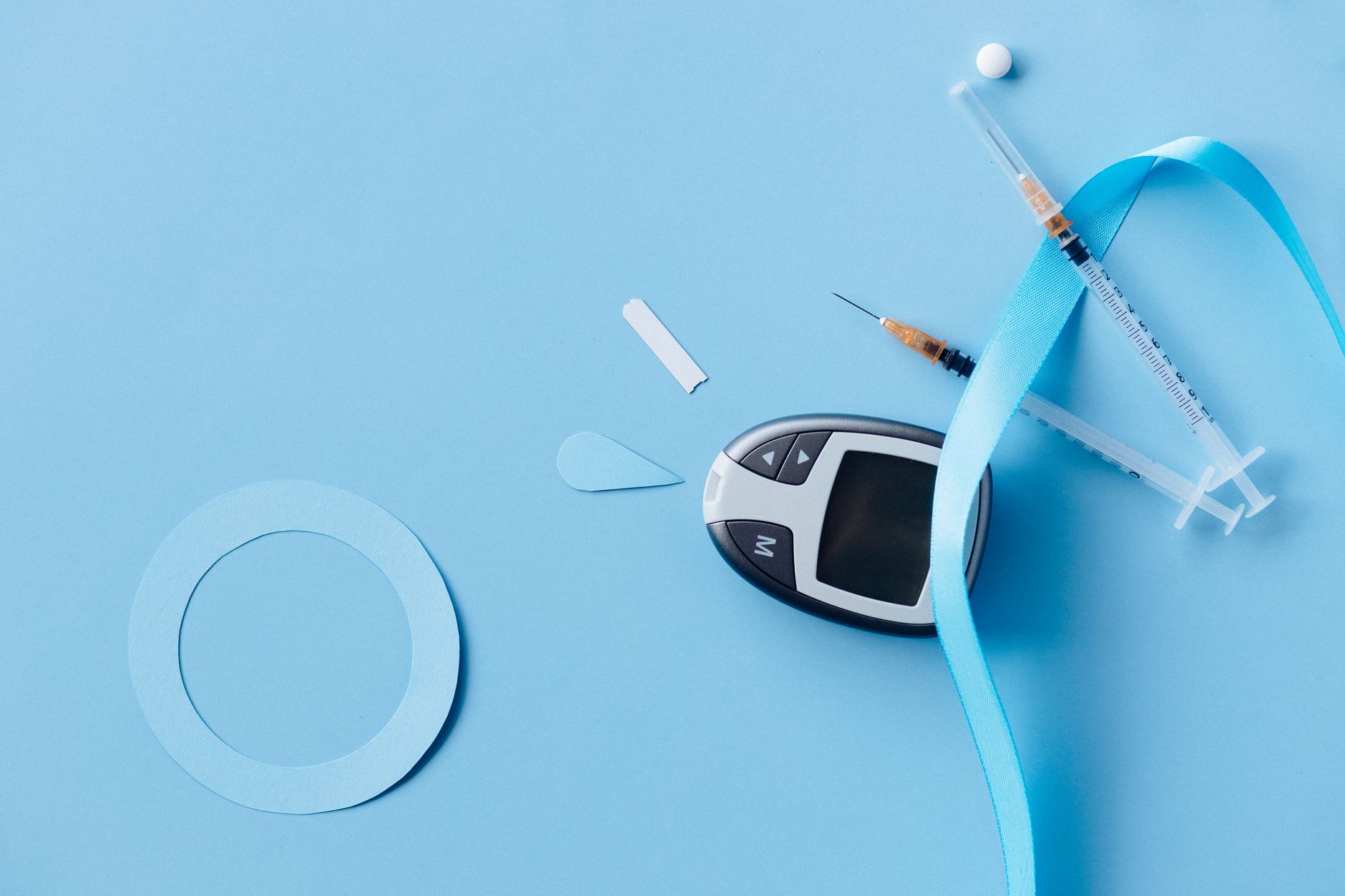
Continuous glucose monitors were originally designed for Type 1 diabetes. In 2026, strong evidence supports their use for Type 2 as well — but the benefit varies significantly by treatment type. Here is what the data shows.
Who Benefits Most
- Type 2 on basal-bolus insulin: Strong evidence. CGM significantly reduces A1C and hypoglycemia risk. Most insurance plans cover CGM in this group.
- Type 2 on basal insulin only: Good evidence. The MOBILE trial showed CGM reduced A1C by 0.4% versus fingersticks alone in primary care settings.
- Type 2 on non-insulin medications (GLP-1, SGLT2, metformin): Growing evidence. TIR improvement documented. Benefit is primarily behavioral — seeing real-time glucose data motivates dietary changes.
- Pre-diabetes or diet-controlled Type 2: Limited insurance coverage but OTC CGMs (Stelo, Lingo) fill this gap. Useful for identifying post-meal spikes that A1C misses.
What CGM Adds Beyond Fingersticks for Type 2
Fingersticks capture a single moment. CGM captures the full picture: how long glucose stays elevated after meals, nighttime patterns, the glucose response to specific foods, and the impact of exercise. This context helps both patients and providers make better decisions.
Insurance Coverage (US, 2026)
Medicare Part B covers CGM for beneficiaries who:
- Have diabetes (Type 1 or Type 2)
- Use insulin (any type, including basal-only)
- Are under the care of a physician who manages their diabetes
For Type 2 on non-insulin medications, coverage is expanding through Medicare Advantage plans and commercial insurers following the 2024 coverage expansion recommendations. Ask your provider to submit a letter of medical necessity.
The OTC Option for Type 2
Dexcom Stelo and Abbott Lingo require no prescription. At ~$99/month, they are accessible without going through insurance. For Type 2 patients who want to understand their glucose patterns without the prescription process, OTC CGMs are a practical starting point.
What to Expect in the First Month
Most Type 2 patients using CGM for the first time are surprised by post-meal glucose spikes they did not know were happening. White rice, bread, and fruit juices often cause 180-240 mg/dL spikes even when fasting glucose is controlled. This real-time feedback drives dietary adjustments that often improve TIR without medication changes.