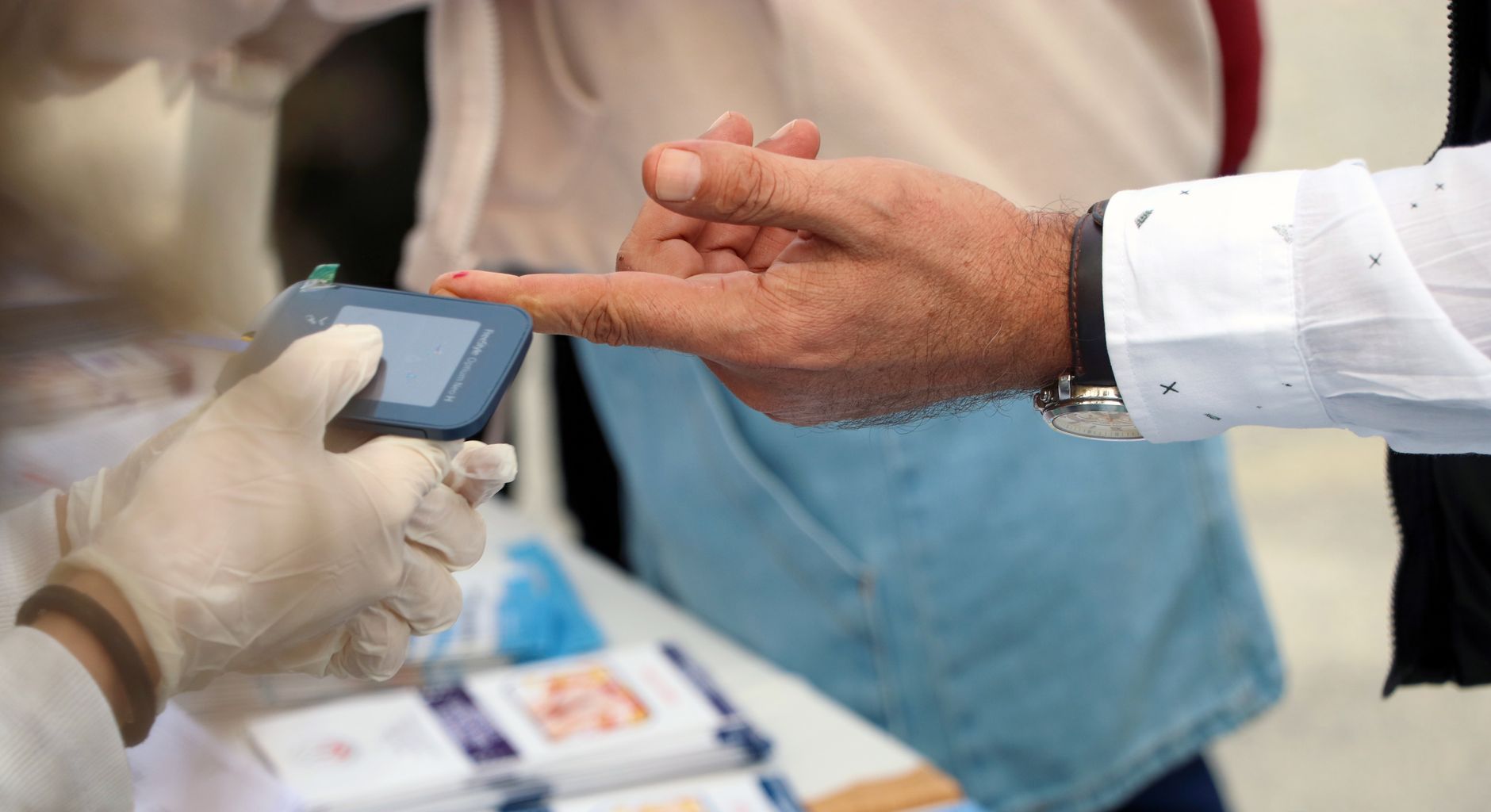
CGM has largely replaced fingerstick testing for most people with diabetes, but fingersticks remain important in specific situations. Here is when each method is more reliable and when you should use both.
CGM Advantages
- Continuous data — every 1-5 minutes vs. a single moment in time
- Trend information — the direction and rate of glucose change
- Alarms for highs, lows, and urgent lows while sleeping
- Integration with closed-loop systems and dose calculators
- No finger pain for routine monitoring
Fingerstick Advantages
- Measures blood glucose directly — no lag time
- More reliable during rapid glucose changes (post-meal spikes, rapid drops)
- Does not degrade with time (sensor enzyme degradation is not a factor)
- Not affected by site pressure, movement, or temperature extremes
When to Always Use a Fingerstick
- Before treating a severe low: If your CGM reads 52 mg/dL and you feel severe symptoms, confirm before consuming large amounts of carbs — a sensor compression artifact could show a false low
- CGM reading does not match symptoms: If you feel hypoglycemic but your CGM reads 120 mg/dL, the fingerstick is the ground truth
- Sensor warm-up period: First 30-60 minutes of a new sensor, accuracy is lower than after stabilization
- During acetaminophen use: Older CGMs were inaccurate with acetaminophen (Tylenol). The G7 and Libre 3 are much more robust, but during illness when large doses of acetaminophen are used, periodic confirmation is prudent
FDA Approval for Insulin Dosing
Both the Dexcom G7 and FreeStyle Libre 3 are FDA approved for making insulin dosing decisions without confirmatory fingersticks. For most routine dose decisions, this is sufficient. Clinical judgment and the specific circumstances above should guide when extra confirmation is warranted.